The story of Serbia
Serbia is a small country with a long story. Each station on this line is one era. Knowing it helps you understand the holidays, the street names and the people around you.
Scroll sideways →
- 3rd c. BC
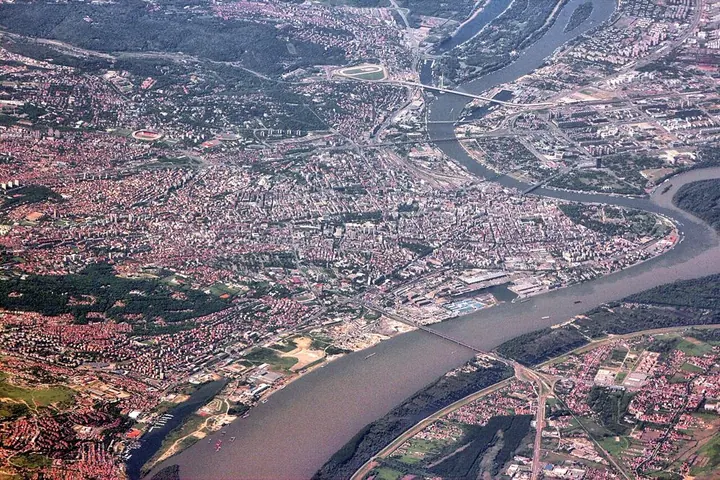
Photo: Marek Ślusarczyk (Tupungato) · CC BY 3.0 · Wikimedia Commons Singidunum, the first Belgrade
A Celtic tribe, the Scordisci, settled on the ridge where the Sava meets the Danube. The Romans later named the town Singidunum. The same hill is Belgrade Fortress and Kalemegdan Park today.
- 1166
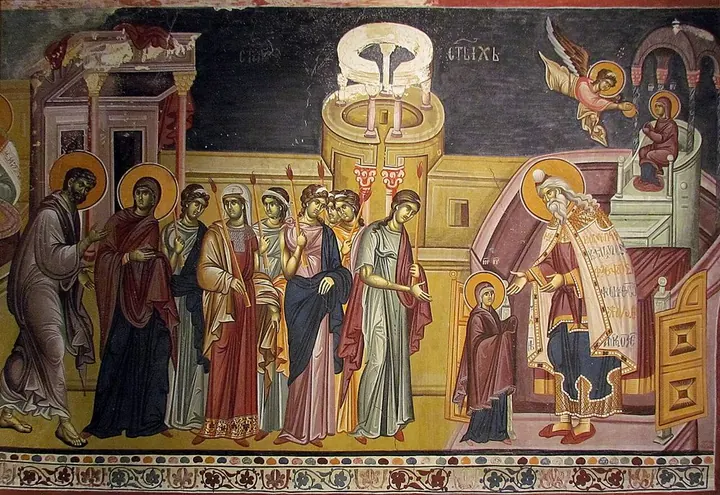
Photo: Gmihail at Serbian Wikipedia · Public domain · Wikimedia Commons The Nemanjić dynasty and Studenica
Stefan Nemanja became Grand Župan of Serbia and founded the Nemanjić dynasty, which ruled for about two centuries. Around 1190 he founded Studenica Monastery, now a UNESCO World Heritage Site.
- 1219
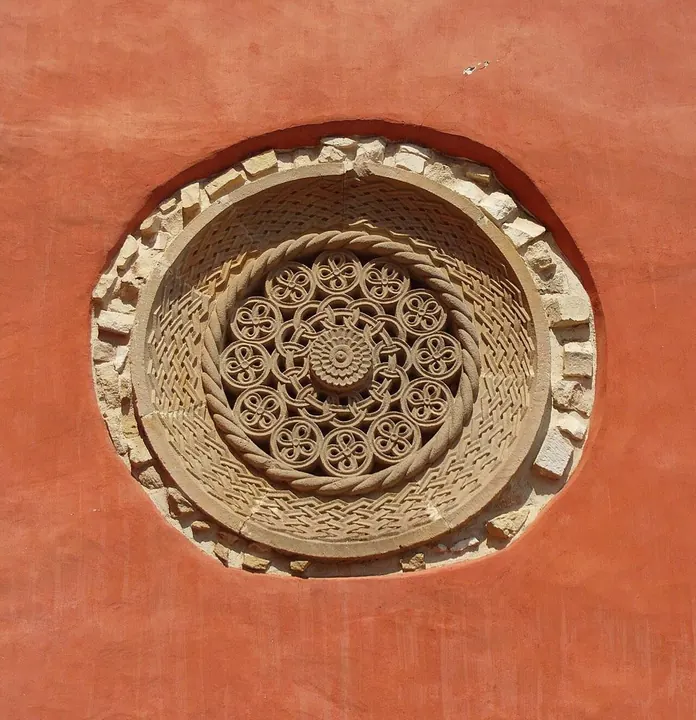
Photo: White Writer · CC BY-SA 3.0 · Wikimedia Commons Saint Sava and Žiča
Sava, Nemanja's youngest son, won independence (autocephaly) for the Serbian Church in 1219 and became its first archbishop. Žiča Monastery near Kraljevo was the first seat of the archbishop.
- c. 1230
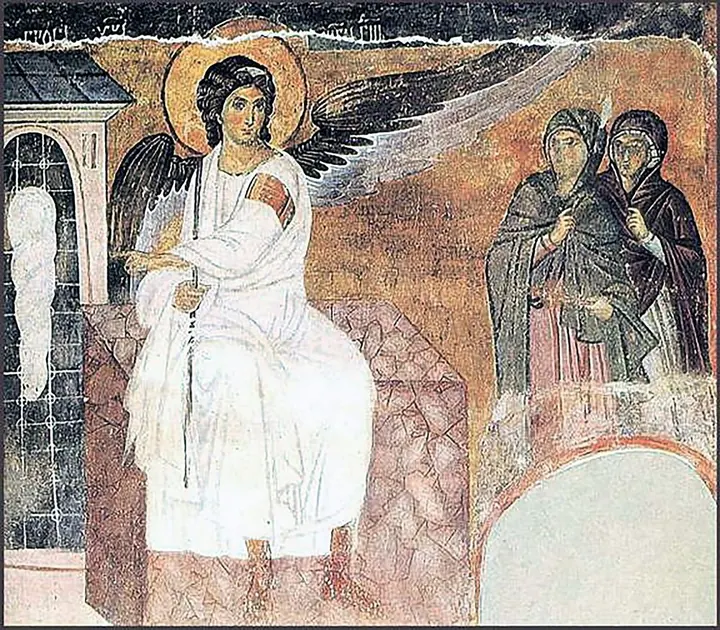
Photo: Levan Ramishvili · Public domain · Wikimedia Commons The White Angel of Mileševa
Painters decorated Mileševa Monastery with frescoes around the 1230s. The White Angel at the empty tomb of Christ is one of the best known works of Serbian medieval art.
- 1389
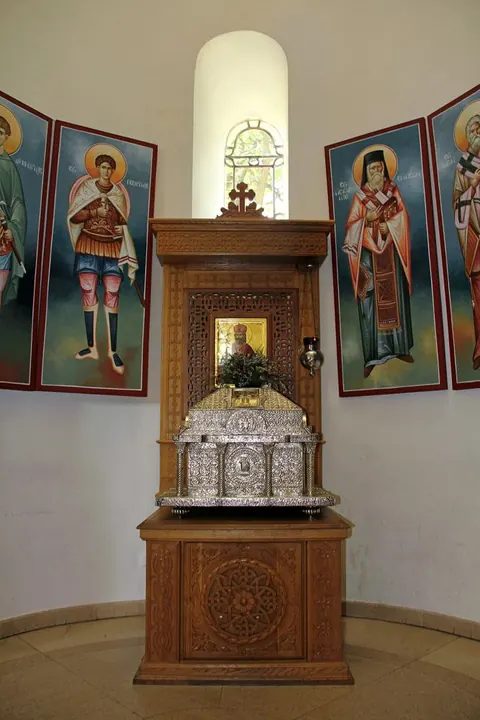
Photo: BrankaVV · CC BY-SA 4.0 · Wikimedia Commons Battle of Kosovo
On Vidovdan in 1389, Serbian forces led by Prince Lazar fought the Ottoman army on the Kosovo field. Both Lazar and Sultan Murad I died. Lazar's capital was Kruševac, where his church, Lazarica, still stands.
- 1459
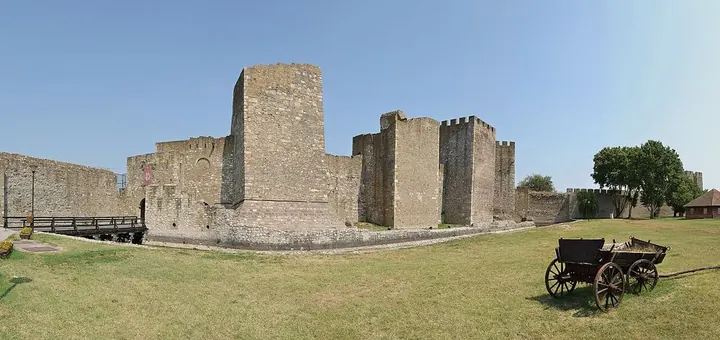
Photo: Pudelek (Marcin Szala) · CC BY-SA 3.0 rs · Wikimedia Commons Fall of Smederevo
Smederevo, the last capital of the medieval Serbian Despotate, fell to the Ottoman Empire. Most of Serbia then stayed under Ottoman rule for more than three centuries. Its huge riverside fortress still stands.
- 1804
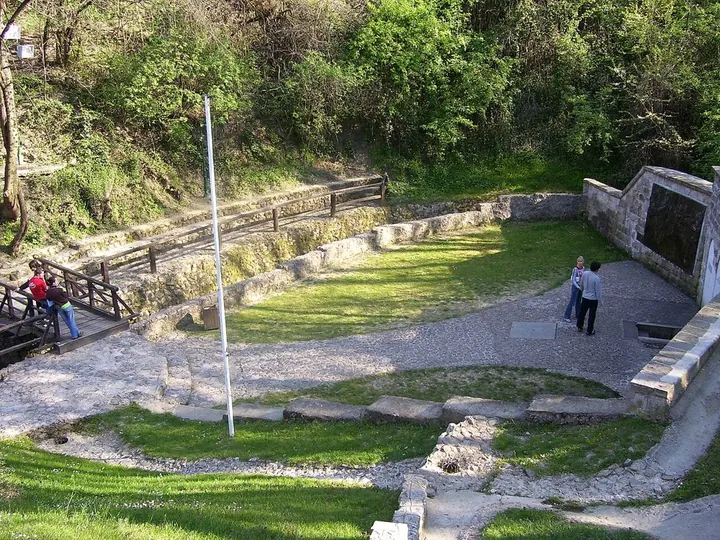
Photo: White Writer · CC BY-SA 3.0 · Wikimedia Commons First Serbian Uprising at Orašac
In February 1804, at a meeting in Orašac, Serbs chose Karađorđe (Đorđe Petrović) to lead an uprising against Ottoman rule. Statehood Day on 15 February remembers this start.
- 1815
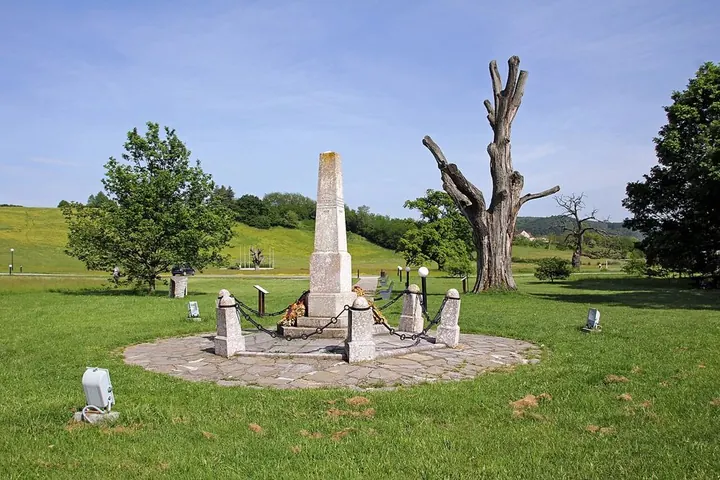
Photo: BrankaVV · CC BY-SA 4.0 · Wikimedia Commons Second Uprising at Takovo
Miloš Obrenović started the Second Serbian Uprising at Takovo in 1815. It led to an autonomous Principality of Serbia, with its first constitution in 1835.
- 1878
Illustration: Hello Serbia Independence recognised in Berlin
The Congress of Berlin recognised Serbia as a fully independent state. Four years later, in 1882, Serbia became a kingdom.
- 1914
Illustration: Hello Serbia Battle of Cer
In August 1914 the Serbian army defeated Austro-Hungarian forces on Cer mountain. It is often called the first Allied victory of the First World War.
- 1918
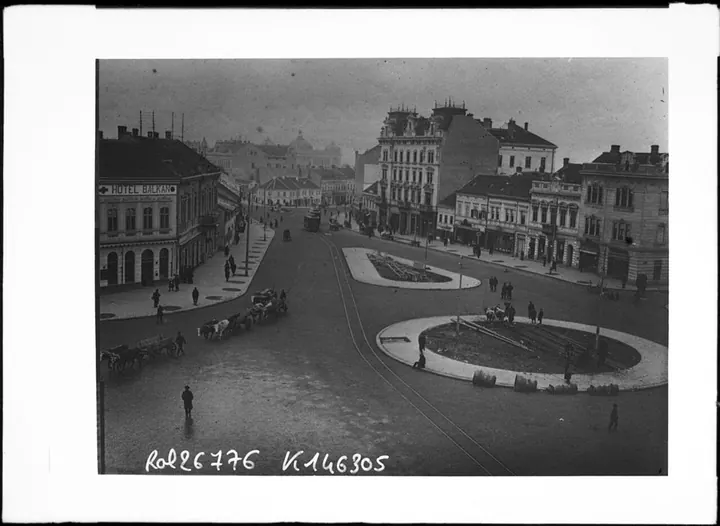
Photo: Agence Rol · Public domain · Wikimedia Commons A South Slav state, Belgrade its capital
On 1 December 1918 the Kingdom of Serbs, Croats and Slovenes was formed, with Belgrade as its capital. It was renamed Yugoslavia in 1929. Different forms of Yugoslavia lasted for most of the 20th century.
- 2006
Illustration: Hello Serbia Independent Serbia today
After Montenegro voted for independence in 2006, Serbia continued as an independent republic, with Belgrade as its capital. Belgrade is hosting the specialised EXPO 2027.
Serbia today
Serbia is a parliamentary republic of about 6.6 million people. Belgrade is the capital and largest city. The official language is Serbian, written in both Cyrillic and Latin letters, and the currency is the dinar (RSD). Many holidays you will see at work, such as Statehood Day on 15 February and Saint Sava Day on 27 January, come from the stations above.
Keep reading
A short, simplified overview for newcomers. Dates follow widely used references; historians may describe some events in more detail or differently. Photo credits are shown under each image.